
The recent Cancer Awareness Day highlighted that the Maldives has over 1600 names on the list, a stark reminder that health is not something to take for granted!
The harsh truth is that globally more adults under 50 are getting cancer than ever before, with a staggering 80% increase in young diagnosis over the past 30 years.
It’s the disturbing pattern which raises the question of why?
Advances in medicine, diagnostic abilities and increased longevity have certainly played a part in the rise, however many experts are highlighting emerging links between cancer and the consumption of junk food, or ultra-processed food.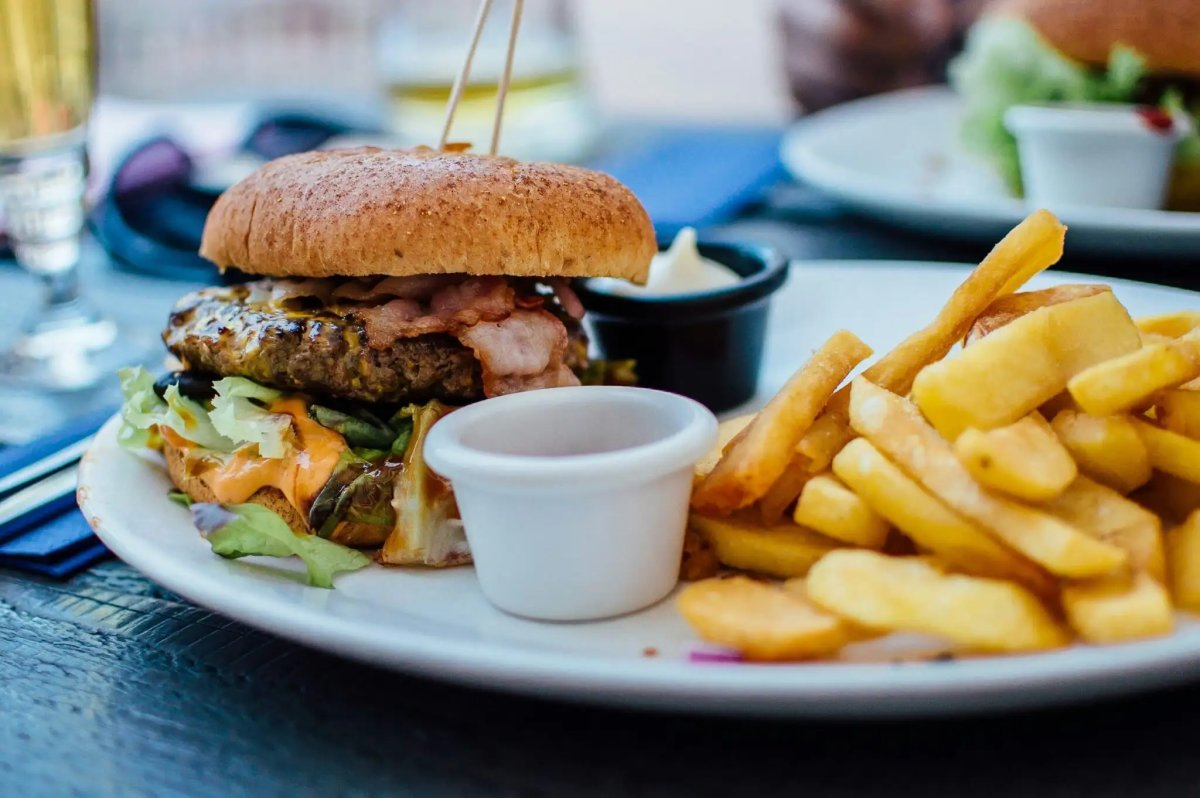
The Role of Poor Diet and Ultra-Processed Foods
Professor Charles Swanton, an oncologist and Chief Clinician at Cancer Research UK, has drawn attention to evidence that bowel cancer in younger individuals may be “initiated” by gut bacteria associated with diets high in sugar and low in fibre. A diet common among those who consume large amounts of ultra-processed foods, such as fast food, sugary drinks, and snack products.
Similarly, Dr. Cathy Eng, a bowel cancer specialist at Vanderbilt University Medical Centre, has observed a correlation between cancer in younger patients and lifestyle-related conditions such as high blood pressure, high cholesterol, and diabetes, all often linked to poor diets.
Another well-established link between diet and cancer is obesity, with obesity being a known risk factor in13 types of cancer according to Matthew Lambert, a nutritionist at the World Cancer Research Fund (WCRF). Overindulging in processed foods high in saturated fats, sugar, and salt are known to cause weight gain and whilst it is unclear if the foods themselves are carcinogenic, the link between cancer and obesity is undeniable.
Red and processed meats are foods also linked to an increased risk of bowel cancer. A 2015 study found that individuals who consumed red and processed meats daily were 40% more likely to develop bowel cancer than those who ate it less frequently.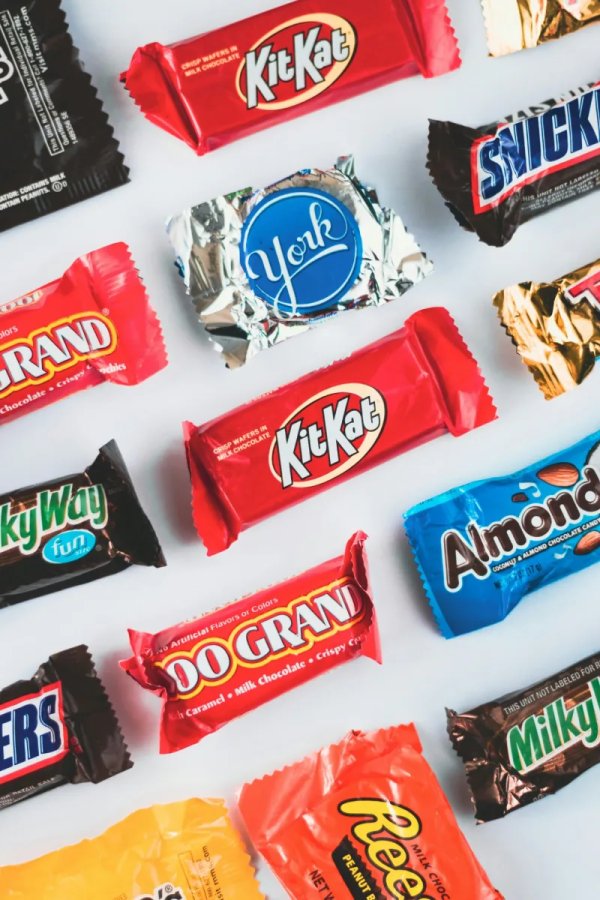
Changes to the Maldivian Diet
The increase of imported food and drink products into the Maldives in the last decades has filled supermarket shelves with substances that can effectively pollute the body. Preservatives, colourings, and E numbers, many of which are derived from petrol and other manmade substances are difficult, or impossible for the human body to effectively process, resulting in a build-up of toxins. As a rule of thumb, the longer a product can be kept at ambient temperature, the unhealthier it is.
The desire to try new foods and the increased exposure to new foods and eating habits alien to the traditional Maldivian plant and fish based diets of previous generations has made potentially toxic and cacogenic foods plentiful. This in turn is leading to more cases of diabetes as well as obesity and cancer.
The Impact of Diet on Cancer
Diets high in processed foods, sugar, and unhealthy fats can promote chronic inflammation and oxidative stress, which can lead to DNA damage and cancerous cell growth. Diets high in fats and sugar lead to obesity. Obesity can increase levels of insulin and oestrogen, which promote tumour growth. Sugar and refined carbohydrates both contribute to insulin resistance, which has been linked to an increased risk of certain cancers, including pancreatic and colorectal cancer.
Increased exposure to carcinogens such as nitrates in processed meats and acrylamides in fried or charred foods can increase the risk of colorectal and stomach cancer. Colorectal cancer can also be triggered by a diet low in fibre. Fibre, vitamins and antioxidants all help the immune system fight cancerous cells which is why fruit and vegetables are essential in a healthy diet.
Other Lifestyle Factors
Chronic stress, poor sleep and a sedentary lifestyle, all play a part by weakening the immune system, increasing inflammation. and hormonal imbalances, all of which contribute to cancer. Environmental pollutants such as chemicals, diesel fumes, concrete dust, smoke and workplace toxins can also contribute to a cancer risk.
Smoking; Tobacco is a well-known risk with tobacco smoking linked to 15 different cancers including lung, mouth, throat, liver and breast cancer. The long-term effect of vaping is still unknown; however, research indicates some of the chemicals ingested have a link to cancer. Consumption of alcohol is also known to contribute to cancer.
Key lifestyle changes to help reduce Cancer risk:
1.Improve Your Diet
1.Increase fruit, vegetables, fish
2.Reduce sugar and ultra processed foods (including sugary drinks)
2.Maintain a healthy weight
3.Stay Physically Active (even if it’s just walking)
4.Avoid Tobacco & Limit Alcohol
5.Be aware of Environmental Toxins
6.Reduce Stress & Get Enough Sleep
Conclusion
A diet high in processed foods, sugar, unhealthy fats, and tobacco creates a biological environment that increases cancer risk by promoting inflammation, obesity, hormonal imbalances, and exposure to carcinogens.
There is evidence to suggest that a diet high in fibre, low in sugar, and free from excessive ultra-processed and red meats can play a key role in reducing cancer risk.
Experts are calling for greater public awareness of how dietary and lifestyle choices can help reduce this risk and positively impact health and wellness, especially in younger populations, where rates are rising the fastest.
Source:
WCRF/AICR 2018, BMC Medicine, 2018, JAMA Internal Medicine, 2015, Article by Eve Simmons 2024.
All photos; Unsplash.com